
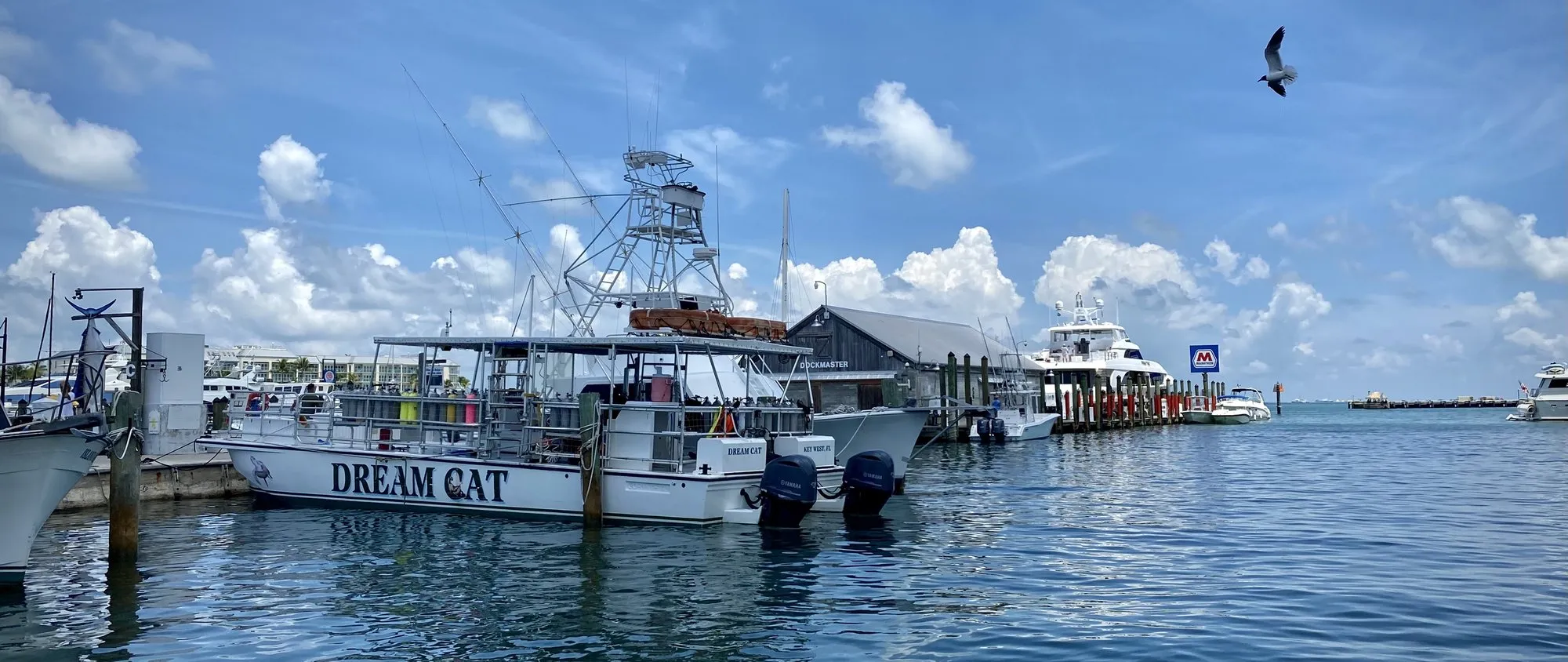
What are you actually booking on a Key West fishing charter?
One of three different days sold at similar prices. Flats and backcountry is a shallow skiff and sight fishing, largely catch and release. Reef and wreck is closer in, steadier, and the most bites. Offshore is a long run to the Gulf Stream for fewer, bigger fish. Choosing between those three matters more than choosing between operators.
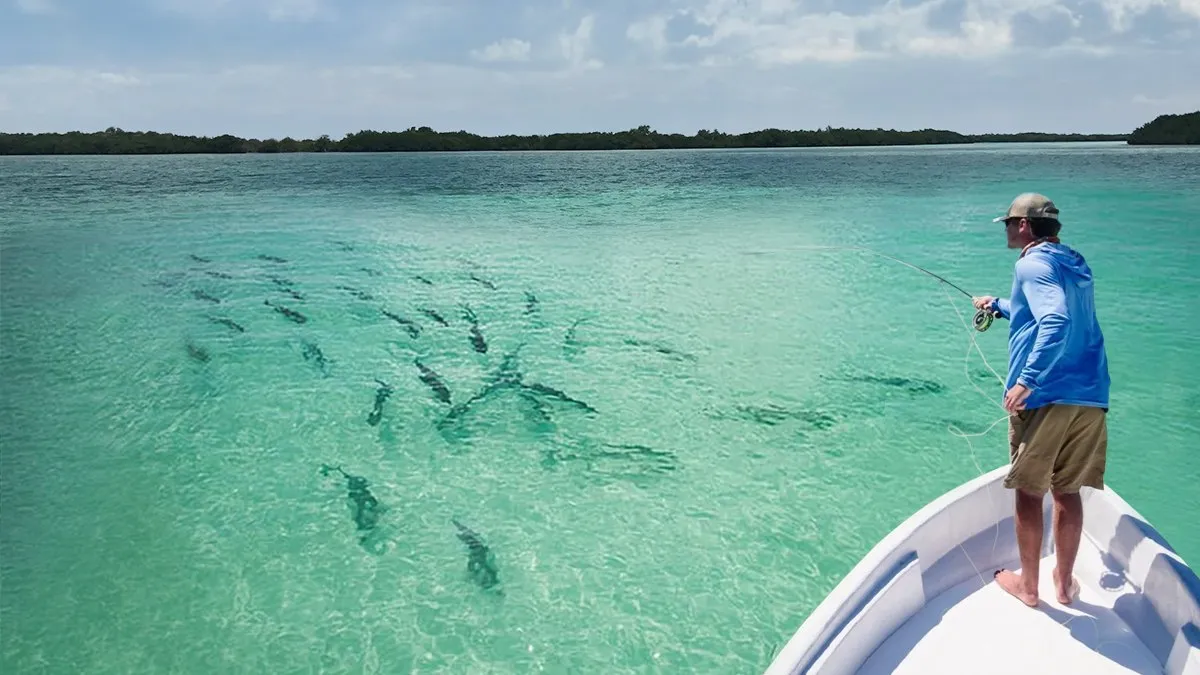
Why does the fishery matter more than the operator?
Because the three days are not variations on one trip. They are different boats, different water, different tackle and different outcomes, sold at similar prices from the same island.
That is why comparing operators first goes wrong. Every operator here has good reviews. Those reviews come from people who booked the trip they wanted. A five-star flats guide is still the wrong booking if what you pictured was a cooler of snapper.
Work out the day first. It cuts the field faster than any list can, this one included.
The three days, plainly
Flats and backcountry. A shallow skiff, poled rather than driven, in water you could stand up in. You cast at fish you can see. The headline species — tarpon, permit, bonefish — are catch and release, so this is a hunt rather than a harvest. It rewards patience and it punishes wind.
Reef and wreck. Closer in and steadier. Snapper, grouper and amberjack over structure. This is the most bites in a day and the most reliable box of fish, which makes it the safe pick for families and for anyone who has not fished much.
Offshore. A long run out to the Gulf Stream for sailfish, mahi and tuna. Fewer bites, bigger fish, and blank hours are part of it. Rougher water than the other two, which matters if anyone aboard is prone to seasickness.
The fourth option, and the one booked by mistake
Some Key West operators sell multi-day trips — three, four and five days at sea, sleeping aboard. Yankee Capts is the clearest example in the current scan.
That is not a longer version of a day charter. It is a different holiday, with different expectations about bunks, food, weather and who you are sharing a boat with. Read the listing rather than the headline price.
Who sets the rules, and why this page will not tell you what they are
Three regimes overlap in the Keys, which is more layered than most fisheries.
FWC sets Florida's rules and governs the inshore fishery. NOAA and the regional councils set federal rules for the reef and offshore species. The Florida Keys National Marine Sanctuary then overlays zones and restrictions across the whole area.
Which set applies depends on where the boat is that day. The captain works to it, and that is genuinely their job rather than yours.
Check the rules at the source
This site names the regulators. It does not restate their numbers.
- FWC — Recreational saltwater fishing regulations Current state size limits, bag limits and seasons, species by species. Link checked 6 September 2026
- South Atlantic Fishery Management Council Federal management for snapper, grouper and reef species on the Atlantic side. Link checked 6 September 2026
- Gulf of Mexico Fishery Management Council Federal management on the Gulf side, which parts of the Key West fishery sit in. Link checked 6 September 2026
- Florida Keys National Marine Sanctuary Sanctuary zones, marked areas and restrictions that overlay the entire Keys fishery. Link checked 6 September 2026
What the licence rule catches people out on
On a licensed charter you need no licence of your own. Florida exempts anyone fishing from a for-hire vessel holding a valid charter licence.
Anyone who has fished Alaska or the West Coast will expect the opposite, because there the angler buys their own and the boat does not cover it. Same activity, opposite rule. The one thing worth confirming is that your charter is actually licensed, and the licence page covers how to ask.
Can you keep what you catch?
On reef and offshore trips, yes, within whatever limits apply that day. On the flats, no — tarpon and bonefish are catch and release, so a flats day fills a camera roll rather than a cooler.
Ask two questions when you book. What does a typical box look like on this trip, and who cleans the fish. The second one carries a cost often enough to be worth asking.
Seasickness decides more bookings than people expect
Offshore means a long run in open water. Reef is closer and steadier. Flats is calm water in a small boat, which is a different kind of uncomfortable in wind.
If anyone in the party is prone to it, that is a reason to pick the fishery before the operator. Remedies work best taken the night before rather than at the dock.
Key West charter questions
What are the three types of Key West fishing charter?
Flats and backcountry, reef and wreck, and offshore. Flats means a shallow skiff in skinny water, sight fishing for tarpon, permit and bonefish — often catch and release. Reef and wreck is closer in and steadier, targeting snapper, grouper and amberjack, and it usually produces the most bites. Offshore is a long run to the Gulf Stream for sailfish, mahi and tuna: fewer bites, bigger fish, rougher water. There is a fourth option, multi-day trips, where you sleep aboard for three to five days.
Which Key West charter should I book?
Decide what you want the day to feel like before you compare operators, because that narrows the field faster than any list. If you want steady action and a cooler of fish, reef. If you want one big fish and can accept blank hours, offshore. If you want to watch a guide pole a skiff and cast at a fish you can see, flats. If you get seasick, reef over offshore. Comparing operators before making that choice is the mistake this site exists to prevent.
Do I need a fishing licence in Key West?
Not on a licensed charter. Florida exempts anyone fishing from a for-hire vessel that holds a valid charter licence, so the boat covers you. This is the opposite of Alaska and most of the West Coast, which catches out people who have fished both. You do need your own licence if you fish off the boat.
Who sets the rules in the Florida Keys?
Three bodies overlap, which is unusual. FWC sets the state rules and governs the inshore fishery. NOAA and the regional councils set the federal rules for reef and offshore species. On top of both, the Florida Keys National Marine Sanctuary adds its own zones and restrictions covering the whole area. Which set applies depends on where the boat is fishing that day, and the captain works to it.
Is tarpon catch and release?
Tarpon is a catch-and-release only fishery in Florida, and one over 40 inches must stay in the water. A tarpon tag exists but is optional — one per person per year, and only when pursuing a state or world record. Bonefish is catch and release only too. That is worth knowing before you book a flats trip expecting to take fish home — the flats fishery is about the hunt and the fight, not the cooler. Check the current rules with FWC rather than relying on any guide site, including this one.
Can I keep what I catch?
On reef and offshore trips, yes, within the limits that apply. On the flats, no — the headline species there are catch and release. Ask the operator what a typical box looks like on the trip you are booking, and ask who cleans the fish and whether that is included.
Next step
Looking for fishing trips in the Florida Keys?
Fishing Trips Florida Keys is an independent guide — no boats, no bookings, nothing to sell. It exists so you can ask better questions before you hand an operator a deposit.
Fishing Trips Florida Keys takes no bookings and earns nothing from a click. You book with the operator directly.