What You Can Catch in Key West

The Key West species list, grouped by the fishery you have to book to reach them — flats, reef and offshore — with who regulates each one.

What fish can you catch on a Key West charter?

Three separate lists, because they are three separate boats. Flats trips target tarpon, bonefish and permit — the first two are catch and release only. Reef and wreck trips target yellowtail and mutton snapper, grouper and amberjack. Offshore trips target sailfish, mahi-mahi, tuna, wahoo and king mackerel. No single charter covers all of it.

Are you choosing a fish or choosing a boat?

Most people arrive here thinking they are picking a species. They are picking a boat.

A flats skiff cannot reach the Gulf Stream. An offshore boat cannot work water you could stand up in. The species below are grouped by the trip you have to book to reach them, because that is the decision underneath the question.

If the list you want spans two groups, you are looking at two trips.

Flats and backcountry

Skinny water in a shallow skiff. Sight fishing for tarpon, permit and bonefish.

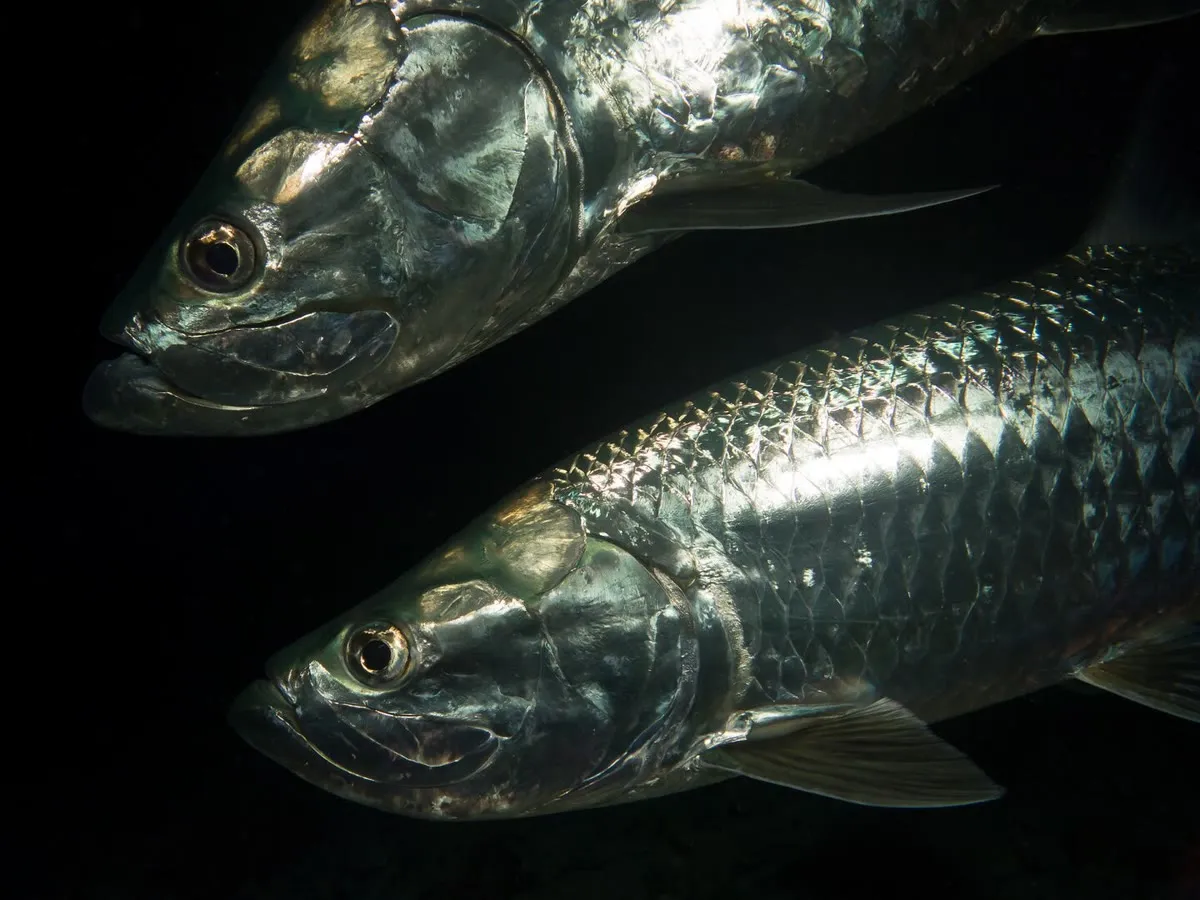
Tarpon

The reason a lot of people come to the Keys at all. A big, silver, air-breathing fish that jumps when hooked and is famously hard to land.

Standing rule. A catch-and-release only fishery. One over 40 inches must remain in the water. A tarpon tag exists but is optional — one per person per year, and only when pursuing a state or world record.

Regulated by FWC · source
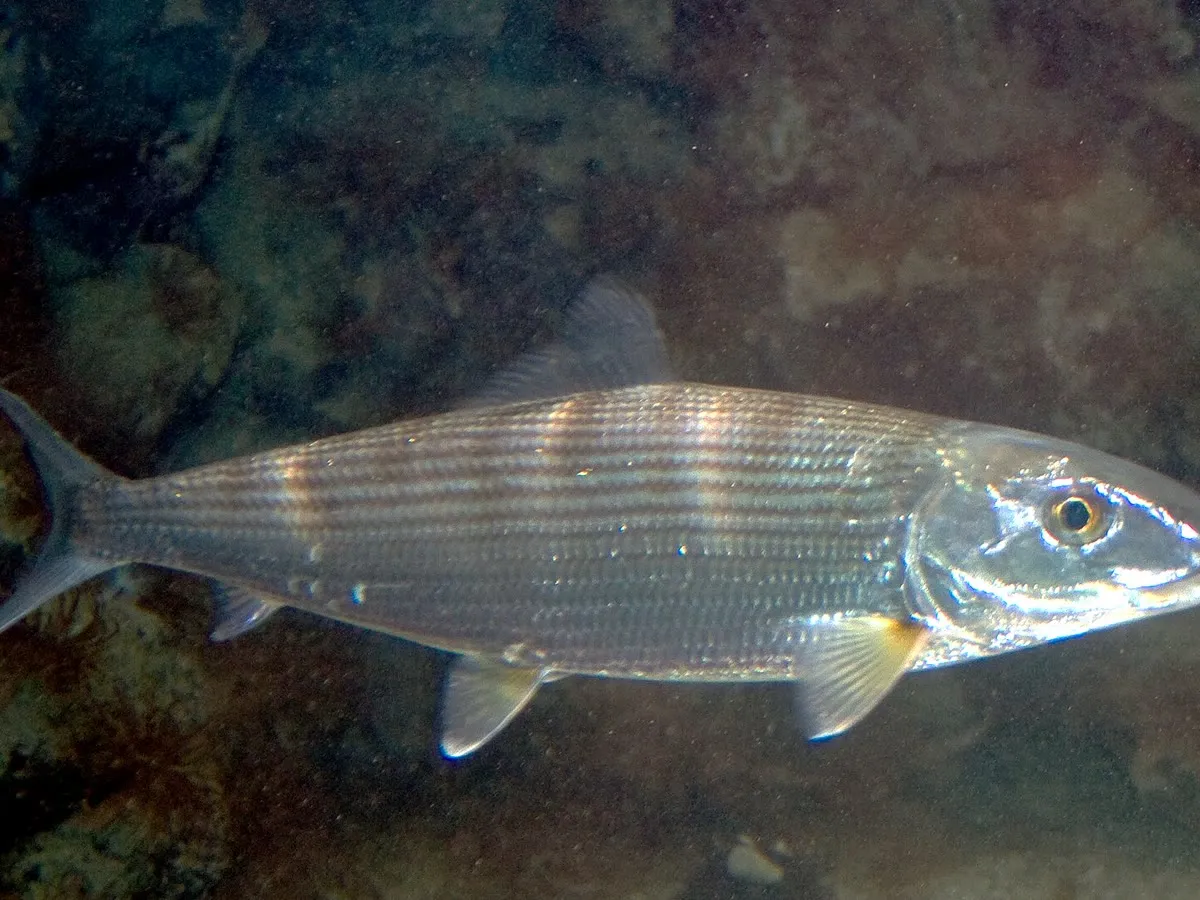
Bonefish

Brian Gratwicke · CC BY 2.0

Bonefish

The classic flats target. Fast, spooky and fished for by sight in water shallow enough to wade.

Standing rule. A catch-and-release only fishery since 2013, when the tournament exemption permit was removed. Multiple hooks with live or dead natural bait are prohibited when targeting them.

Regulated by FWC · source

Permit

Fish and Dive · CC BY 4.0

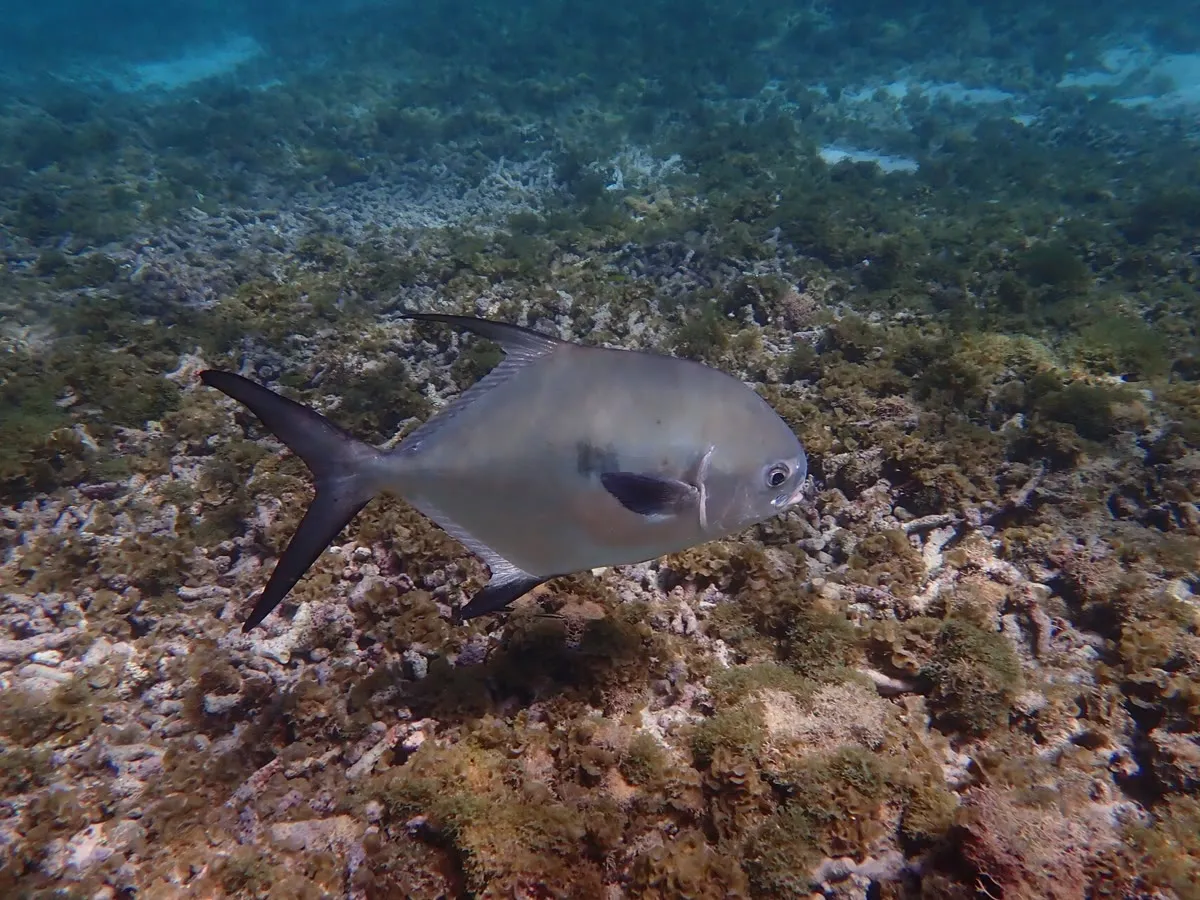
Permit

The one flats anglers talk about most and catch least. Wary, powerful, and the third of the Keys flats trio.

Regulated by FWC — the Keys sit inside a Special Permit Zone · source

Reef and wreck

Closer in and steadier. Snapper, grouper and amberjack, with more bites in a day.

Yellowtail snapper

Diego Delso · CC BY-SA 4.0

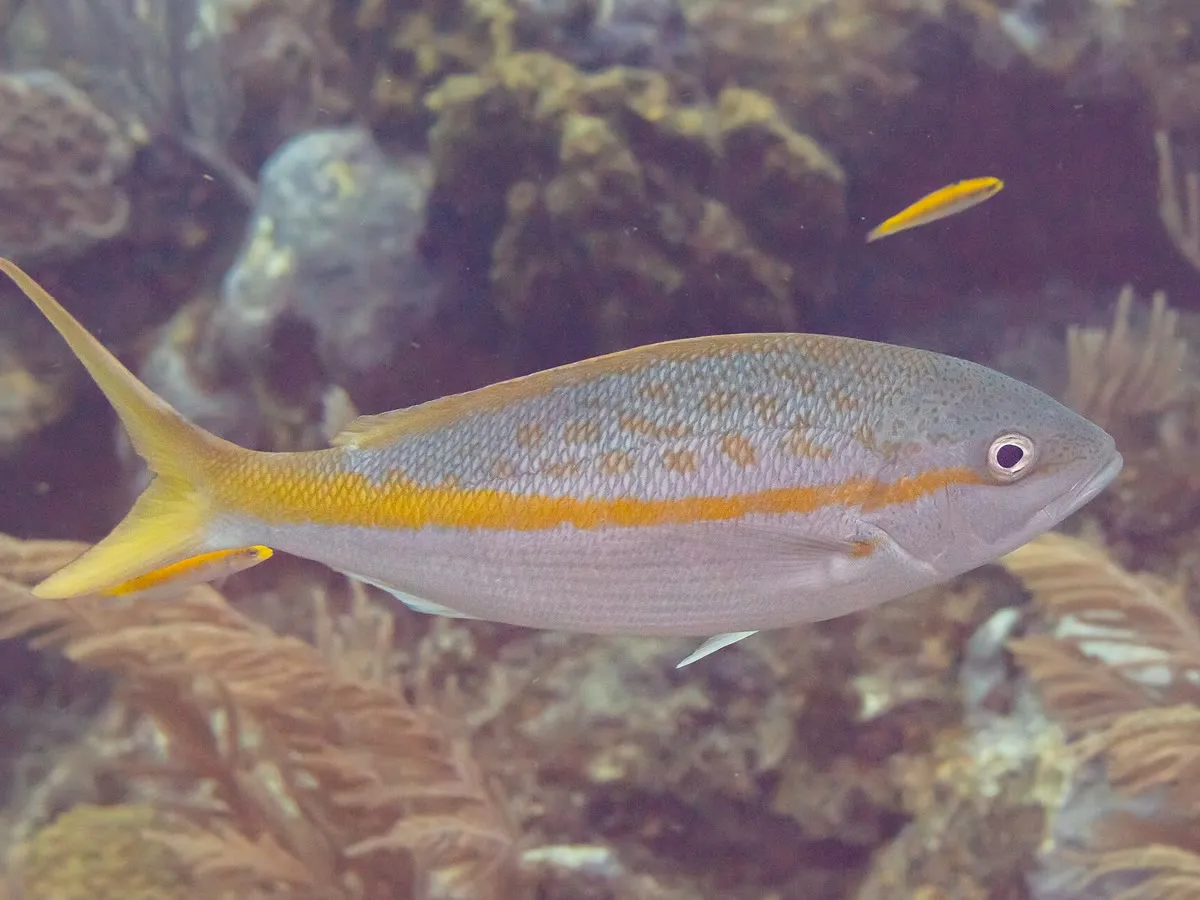
Yellowtail snapper

The bread and butter of a Keys reef trip. Caught in numbers over the reef, and the fish most reef days are built around.

Regulated by FWC in state water, the federal councils beyond it · source

Mutton snapper

Henrya · CC0

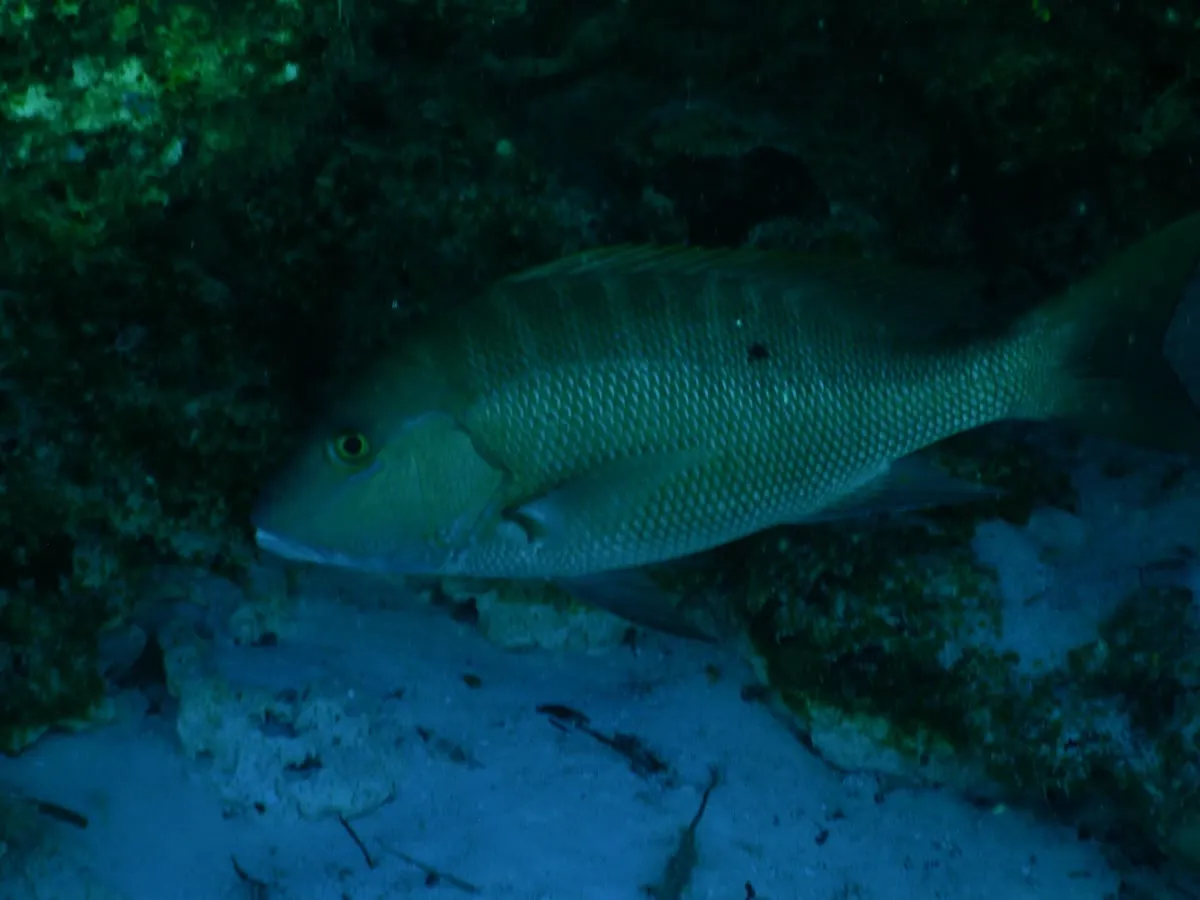
Mutton snapper

Bigger and warier than a yellowtail, and a genuine prize on a reef day rather than a given.

Regulated by FWC in state water, the federal councils beyond it · source

Grouper

Bernard DUPONT · CC BY-SA 2.0

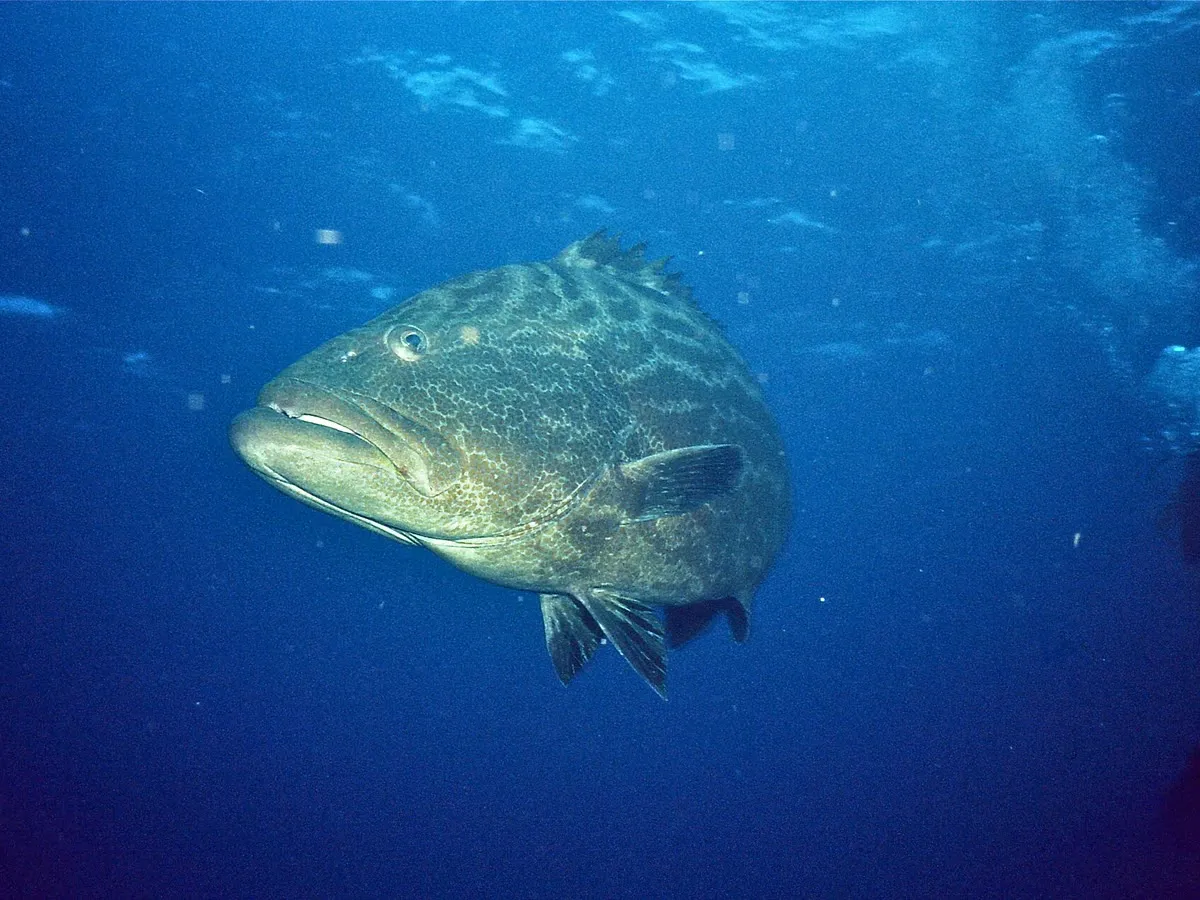
Grouper

Several species, caught over structure and wrecks. Heavy tackle and a hard first run for the bottom.

Standing rule. Seasons and rules differ between Atlantic and Gulf waters, and Key West sits where the two meet. Which applies depends on where the boat fishes that day.

Regulated by FWC and the federal councils · source

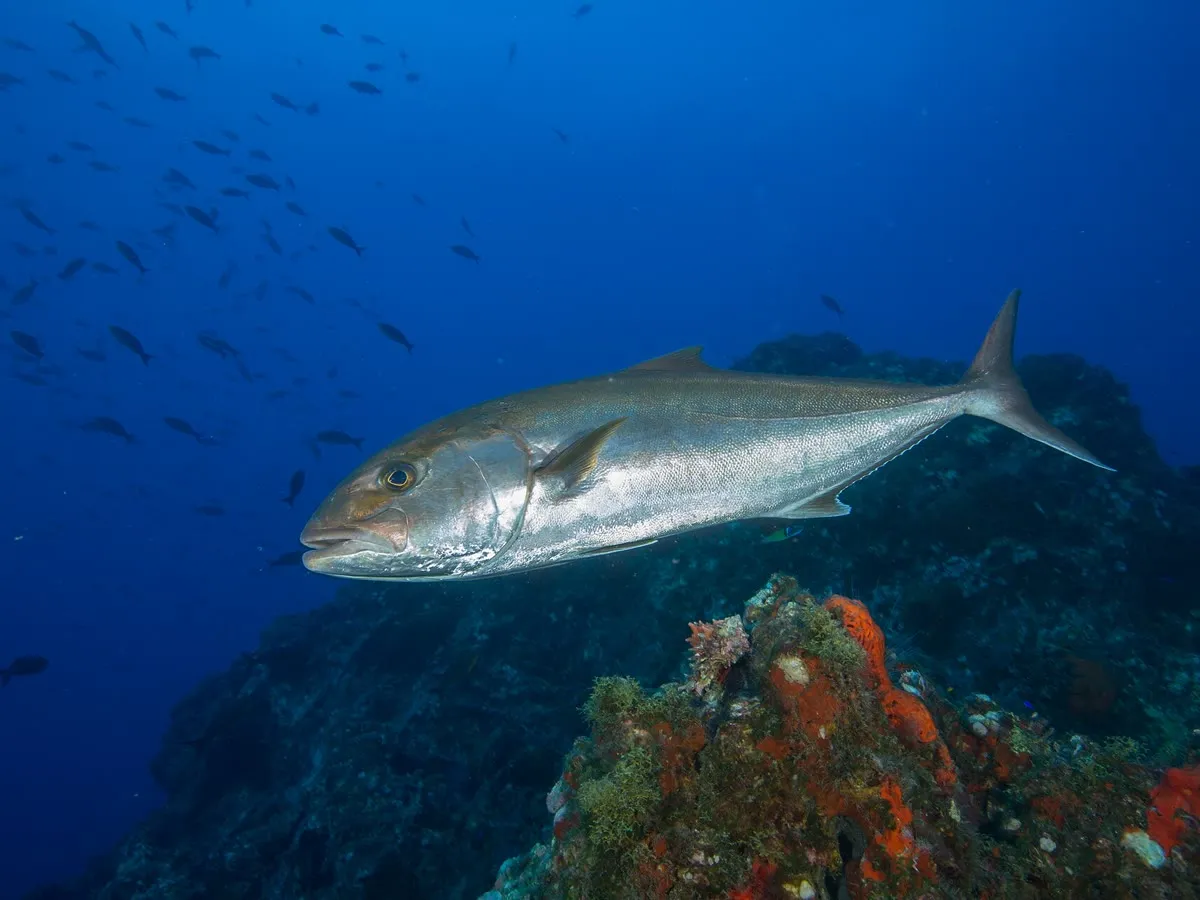
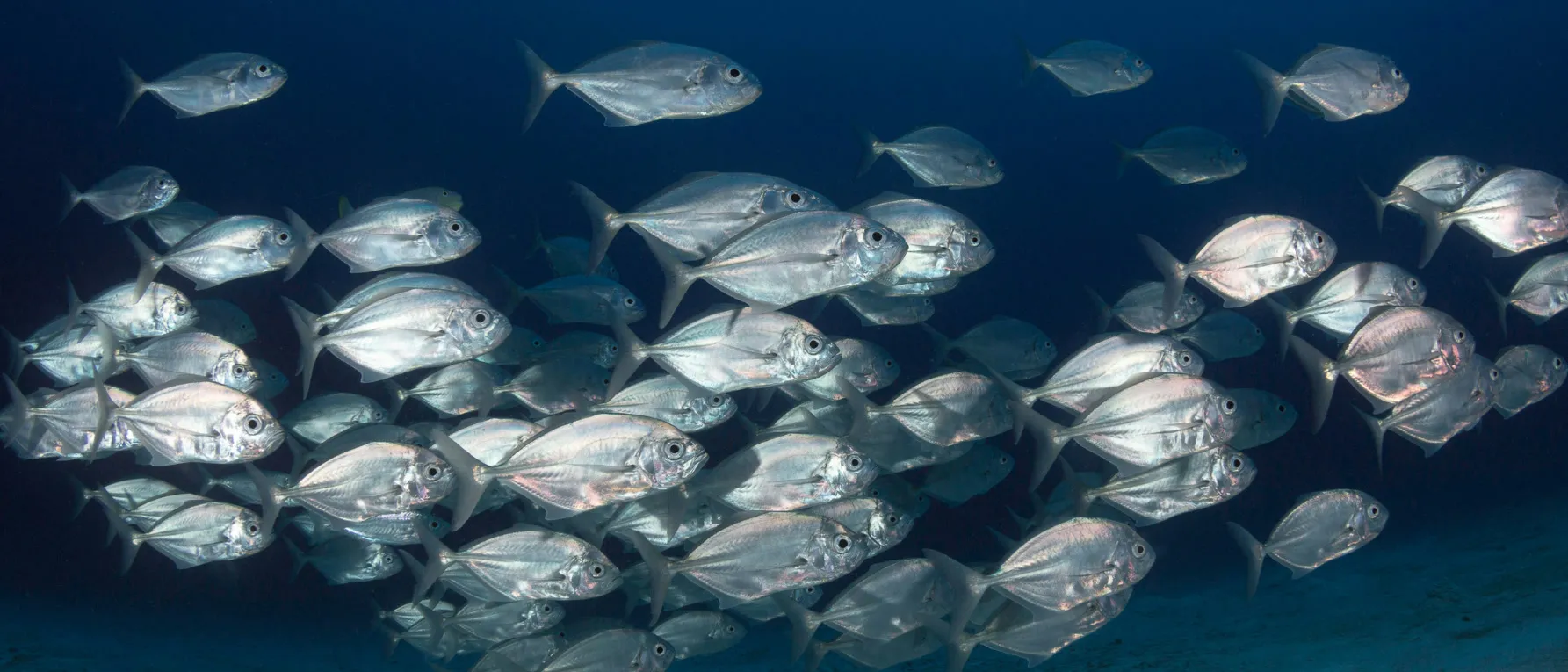
Amberjack

Wreck fish, and the one people remember for the fight rather than the fillet. Nicknamed the reef donkey for good reason.

Regulated by FWC and the federal councils

Offshore

A long run to the Gulf Stream for sailfish, mahi and tuna. Fewer bites, bigger fish.

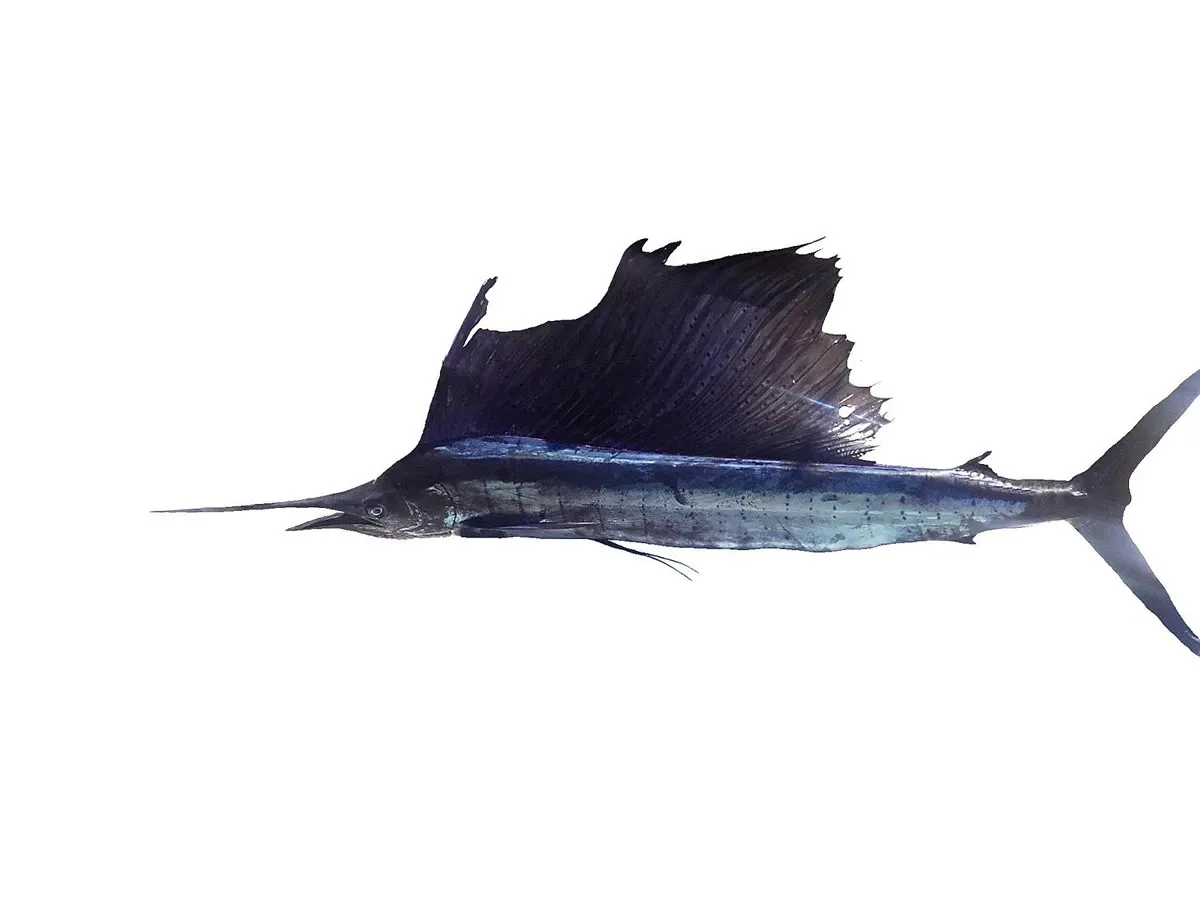
Sailfish

The headline offshore fish, taken on the troll out toward the Gulf Stream. Almost always released.

Regulated by NOAA Fisheries — a highly migratory species under federal permit

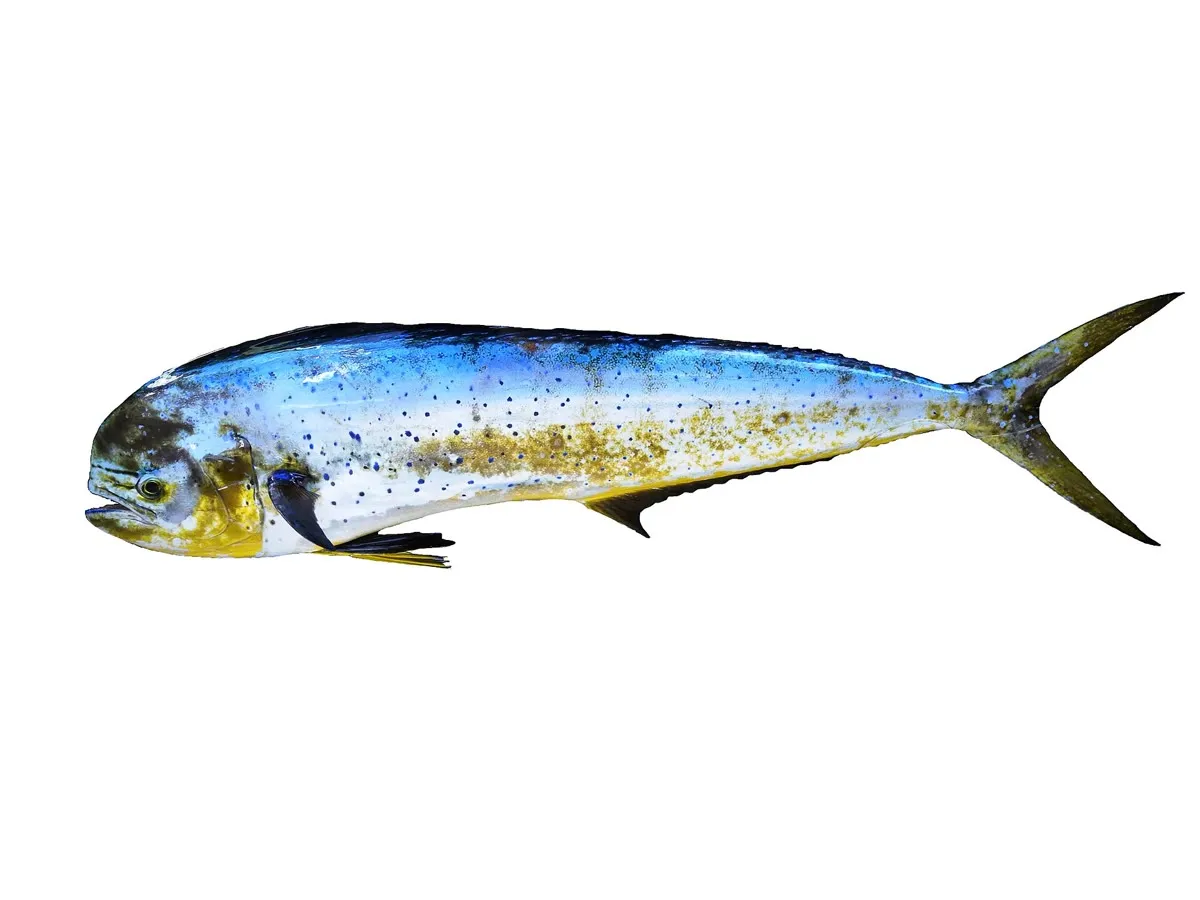
Mahi-mahi

Also called dolphinfish or dorado. Fast-growing, brightly coloured, found around weed lines and floating debris, and the offshore fish most likely to fill a box.

Regulated by Federal councils offshore, FWC in state water

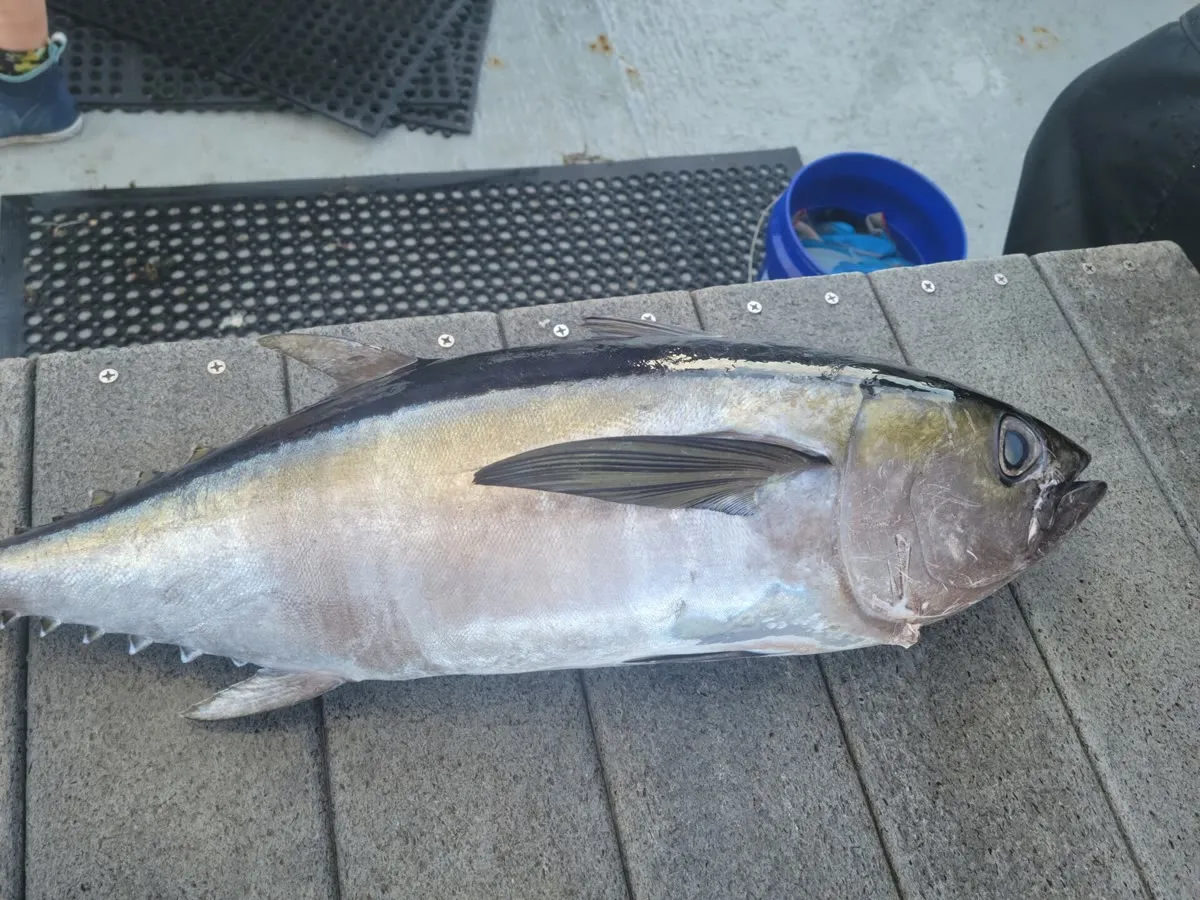
Tuna

Ryan Watson · CC BY 4.0

Tuna

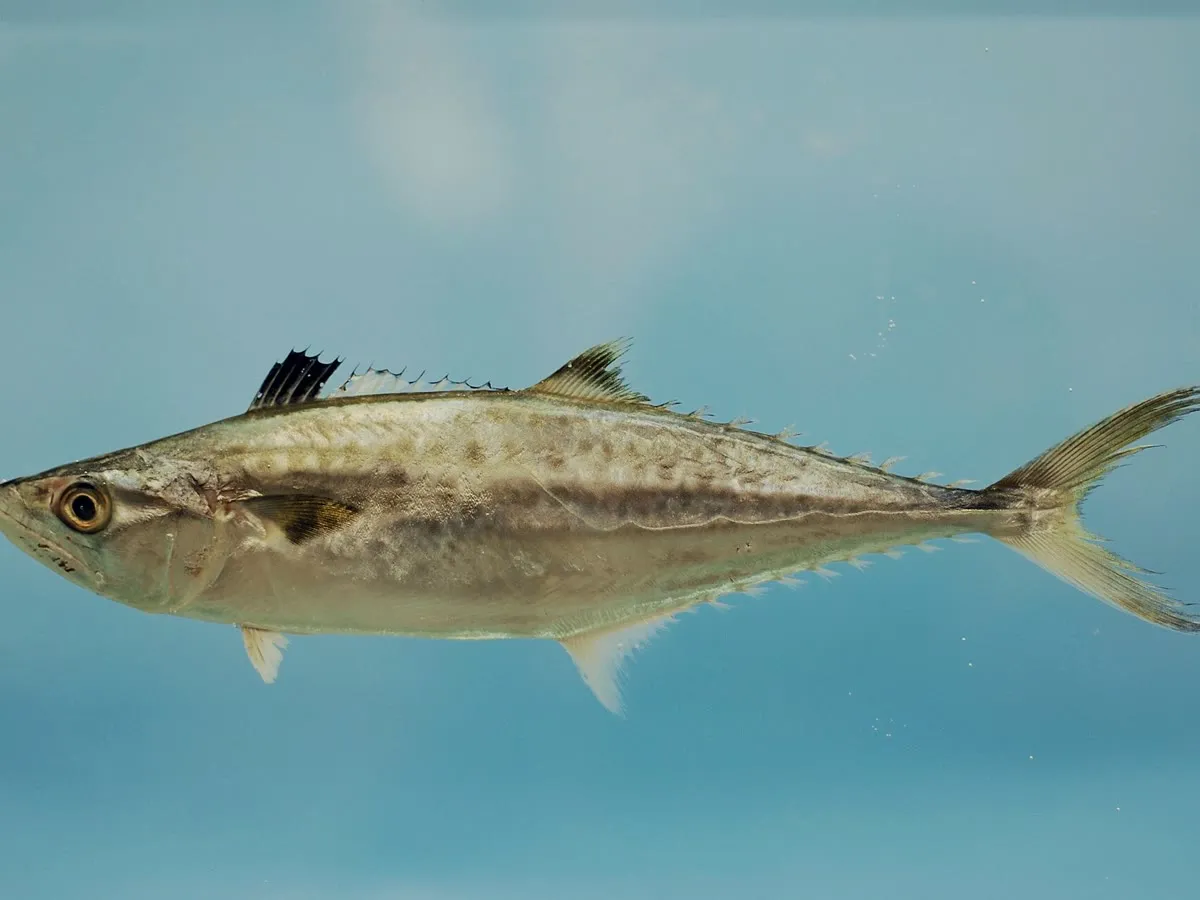
Blackfin most commonly out of Key West, with larger species possible. Hard, fast, and a fight that goes straight down.

Regulated by NOAA Fisheries — highly migratory species

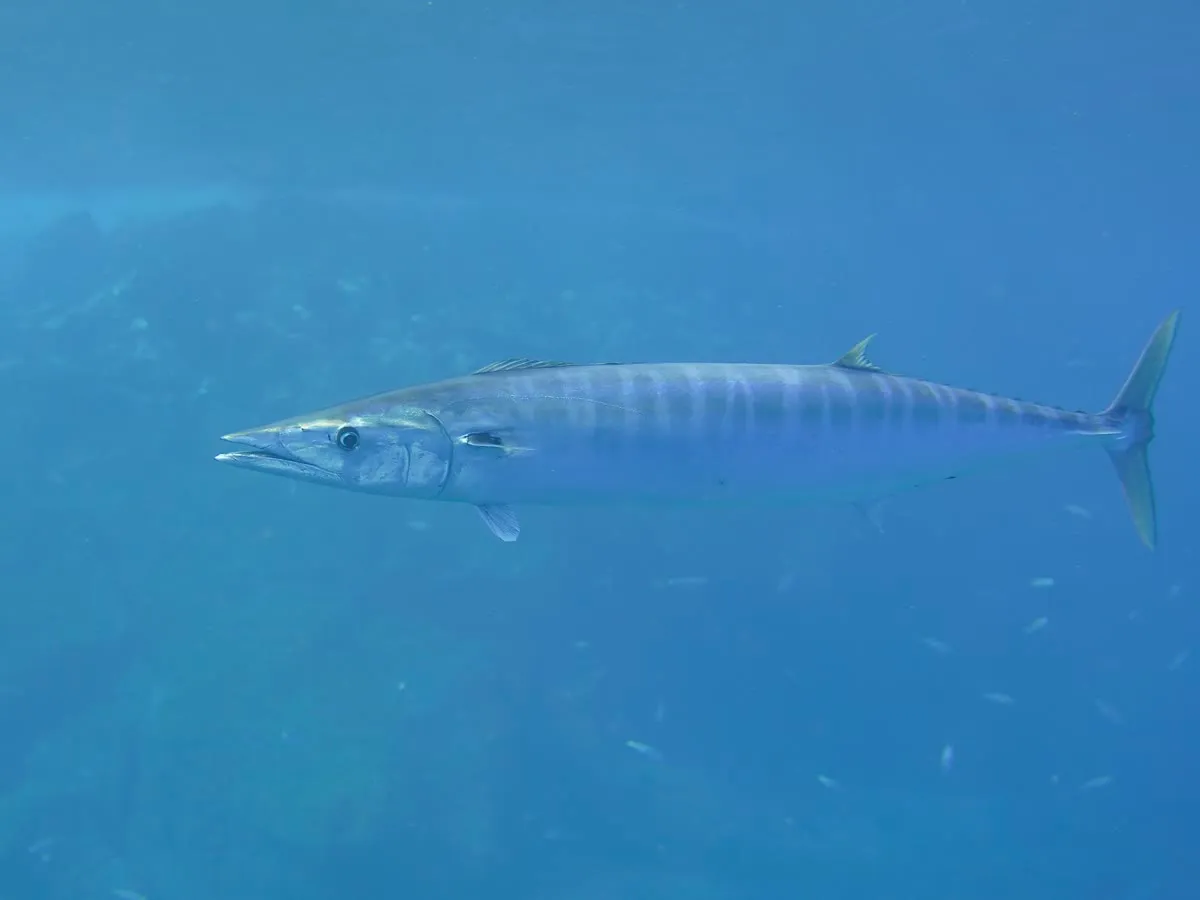
Wahoo

Bommerer · CC BY 4.0

Wahoo

The fastest fish most people will ever hook. Taken on the troll, and a first run that empties a reel.

Regulated by Federal councils

What you can take home, and what you cannot

Reef and offshore trips are the ones that fill a cooler. Flats trips largely do not.

Tarpon and bonefish are both catch-and-release only fisheries in Florida. Nobody hides this, but it does surprise people who booked a flats day picturing dinner. Say what you want out of the trip when you book and a good operator will point you at the right boat.

Check the rules at the source

This site names the regulators and does not restate their numbers.

Species questions

What fish can you catch in Key West?

It depends entirely on which trip you book. On the flats: tarpon, bonefish and permit. On the reef and wrecks: yellowtail and mutton snapper, grouper and amberjack. Offshore: sailfish, mahi-mahi, tuna, wahoo and king mackerel. Those are three separate boats and three separate days — no single charter covers the list.

Which Key West fish can I actually take home?

Reef and offshore species are generally the ones that fill a cooler. The headline flats species are not: tarpon and bonefish are both catch-and-release only fisheries in Florida. If taking fish home matters to you, that points at a reef trip, and it is worth saying out loud when you book.

Is tarpon catch and release in Florida?

Yes. FWC states plainly that tarpon is a catch-and-release only fishery, and a tarpon over 40 inches must remain in the water. A tarpon tag exists but it is optional and narrow — one per person per year, and only when pursuing a state or world record. It is not a permit to keep a fish.

Why does this page not list bag limits or sizes?

Because they would be wrong within a year while still looking authoritative. Limits are re-set annually, they differ between state and federal water, and the Florida Keys National Marine Sanctuary overlays its own zones on top of both. Key West sits where Atlantic and Gulf rules meet, so even the same species can carry different rules depending on where the boat fishes. This page names the regulator instead and links to the current tables.

Who regulates fishing in the Florida Keys?

Three bodies, overlapping. FWC sets Florida state rules and governs the inshore and flats fishery. NOAA Fisheries and the South Atlantic and Gulf councils set federal rules for reef and offshore species, with sailfish and tuna managed separately as highly migratory species. The Florida Keys National Marine Sanctuary adds zones and restrictions across the whole area.

Next step

Looking for fishing trips in the Florida Keys?

Fishing Trips Florida Keys is an independent guide — no boats, no bookings, nothing to sell. It exists so you can ask better questions before you hand an operator a deposit.

Fishing Trips Florida Keys takes no bookings and earns nothing from a click. You book with the operator directly.